Packing
A week in a cabin case, without sitting on the lid
Most half empty cases are full of air, folded into shirts.
A cabin case that clears 22 x 14 x 9 holds roughly a large box of air. What fills it is not your clothes, it is the gaps between them. Roll instead of fold and the gaps mostly go away. Pack in cubes and they stay gone, because a cube holds the compression that a loose stack loses the moment you close the lid.
The order that works
| Layer | What | Why there |
|---|---|---|
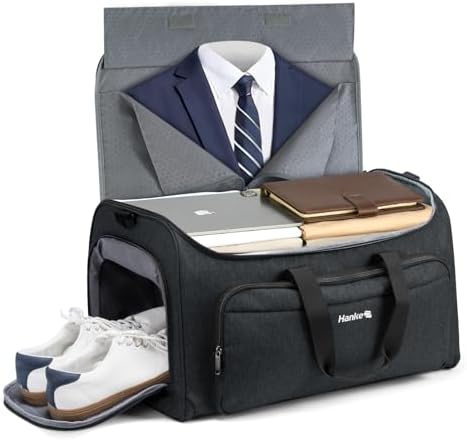
| Against the wheel wall | Shoes, in bags, soles out. | The wheel housings eat this space anyway and shoes fill the dead corners. |
| Bottom third | Heavy items. Jeans, a jacket, anything with weight. | Weight low over the wheels keeps the case from tipping when you let go of the handle. |
| Middle | Rolled shirts and knitwear, in one or two cubes. | Rolls do not crease along a fold line and cubes hold them rolled. |
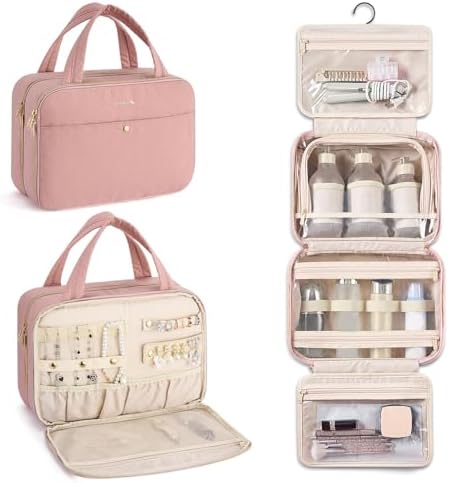
| Top | Whatever you want first. A change of clothes, the toiletry kit. | This is the layer you see when the lid comes up. |
| Lid panel | Flat things. Documents, a laptop sleeve, socks in the mesh. | The zipped panel keeps them flat and stops them sliding into the main volume. |
The expansion zip is a return trip feature
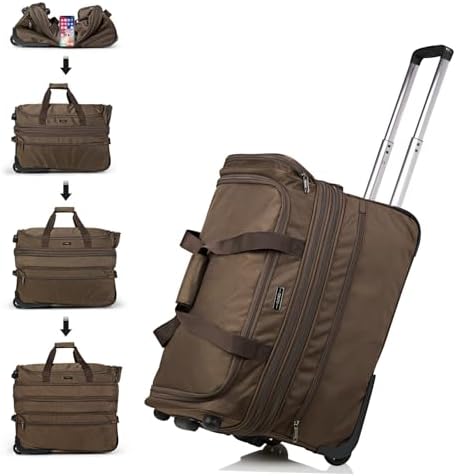
54 of our cases expand. Fly out with the zip closed so the case clears the sizer, and open it on the way home when the case has picked up whatever the trip added. Opening it on the outbound leg is how a cabin bag becomes a gate check.
Cubes are worth the small amount they weigh, and they change how you find things more than how much you fit. A case packed in four cubes unpacks in four moves.