Materials
Hard shell or soft side, and what you give up either way
We make 44 hard shells and 33 soft-side pieces. If one of them were plainly better we would only make that one.
What a hard shell does well
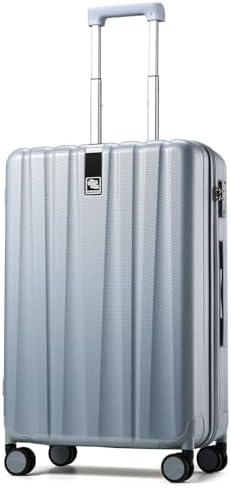
A moulded shell holds its shape under a pile of other bags, which is most of what happens to luggage after it leaves your hand. It closes on a zip that runs around a rim rather than through fabric, so the seal is cleaner and rain runs off it. It also wipes clean, which matters more than it sounds after one trip through a wet cargo hold.
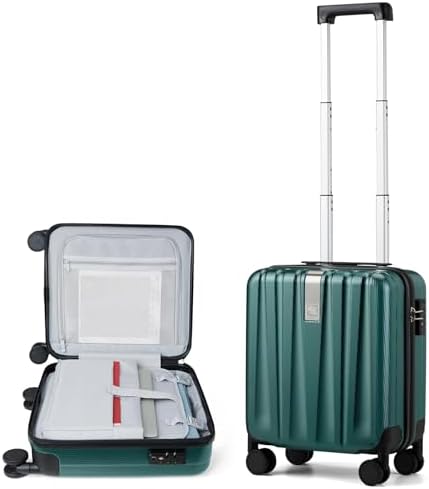
The cost is that a shell has one volume and you cannot argue with it. Fifteen minutes of clever packing will not make a rigid box hold more. The corners are also where damage shows first, because the shell takes the impact instead of spreading it.
What a soft side does well
Fabric gives. That is the whole case for it. A soft-side takes the jacket you decided to bring at the last minute, and it takes the odd shape, and it squeezes into an overhead that is already two thirds full. Outside pockets are practical on fabric and awkward on a shell, so that is where we put them. And a soft bag that gets crushed usually comes back to shape, where a cracked shell stays cracked.
- Checked bag on a long route, packed to the top: shell.
- Cabin bag you keep opening on the road: soft side or a top opener.
- Anything breakable inside: shell, with the fragile thing in the middle.
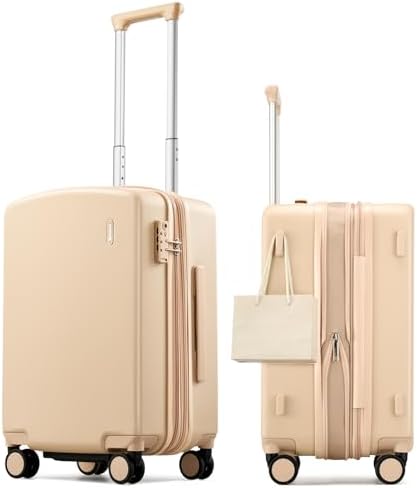
- A trip you know will come back heavier than it went: soft side, or a shell with an expansion zip. 54 of ours expand.
The middle ground we build
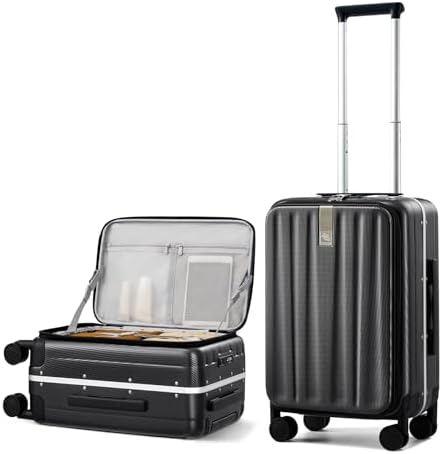
The aluminium-frame cases sit between the two. The shell is rigid, but the closure is a frame with catches instead of a zip, so there is no zip teeth to split under load. They are heavier by a pound or so and they cost more to make. We keep them in the range because a frame that latches is the closure least likely to open by itself in a baggage system.