Design
Why we build cases that open from the top
Think about where you last opened your case. A hotel bed, if you were lucky. An airport floor, a train seat, the back of a car, if you were not.
A standard suitcase splits down the middle and needs its own footprint twice over to open. Everything you packed on the underside stays trapped until the top half is off. That design is fine for the one time you unpack into a wardrobe and useless for the four times a day you want a charger.
How the top opener changes it
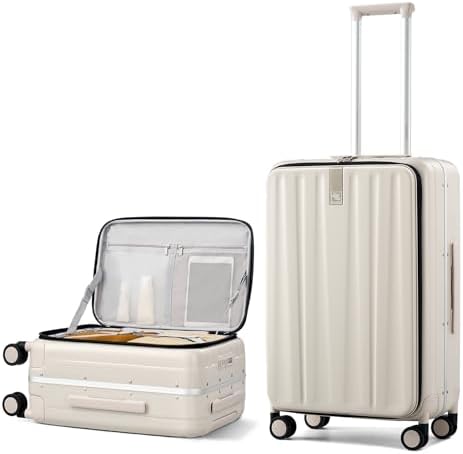
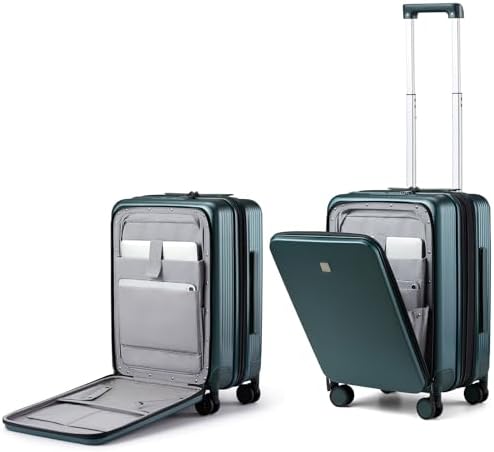
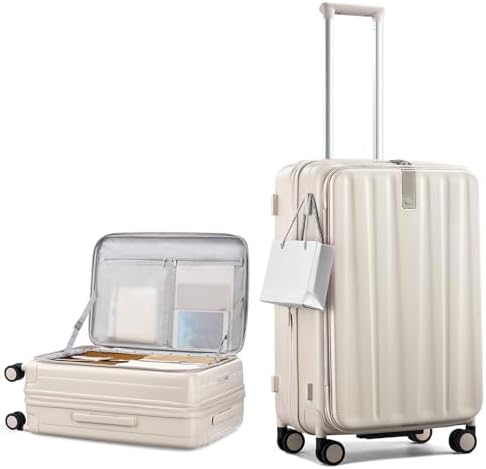
We put the hinge along the back and cut the lid across the top third of the shell. The case stays standing on its wheels. The lid tips back, and the compartment underneath it is a shelf: laptop, documents, the pouch with cables in it. The main compartment behind it still opens the ordinary way when you want the whole thing.
The tradeoff is honest. The lid takes a seam and a second closure, so a top opener carries a few ounces more than the same shell without one, and the shelf compartment is shallow by design. If you never open the case away from a bed you are paying for a hinge you will not use.
- Laptop out at security without unpacking the case: top opener.
- Two week trip that gets unpacked once into a room: plain clamshell.
- Business travel with a jacket that must stay flat: a frame case or a garment bag.
Frames instead of zips
The aluminium-frame cases in this part of the range close with catches on a rim rather than a zip. There is nothing to split and nothing a pen can be pushed through. They are the heaviest cases we make and they are the ones we would put a laptop in.